BACK
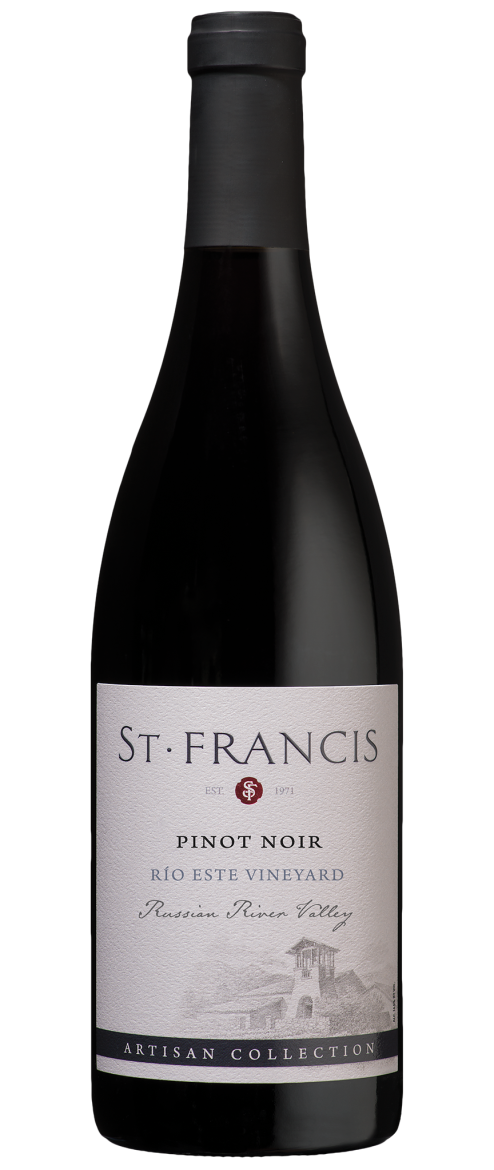
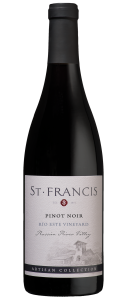
Río Este Estate
Tasting Notes
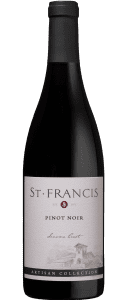
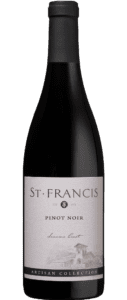
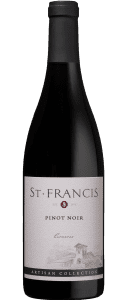
Presenting an elegant nose of black cherry and cinnamon, the bouquet of this estate vineyard wine opens to hints of sandalwood. On the palate, it offers a layered intensity of cherry cola, sandalwood, and allspice, while maintaining a light structure with delicate floral notes. The finish is ethereal with bright acidity.
Vintage Notes
The 2024 growing season started off quite wet and cold, giving the vines an extended dormant period. Bud break occurred as spring began, followed closely by a brief bloom period. Early summer brought a mix of warm and hot days, but nights remained cool, allowing the vines time to recoup. Vintage 2024 was a tale of two harvests: our Sauvignon Blanc was harvested on August 31st—two and a half weeks earlier than in 2023—marking the start of an early pick season that also included Chardonnay, Pinot Noir, and Zinfandel through early September. The Bordeaux varieties followed, mostly harvested in mid-September, with our final truck of Cabernet Sauvignon arriving on October 11th.
Vineyard Notes
Sourced from our 77-acre estate vineyard Río Este, where we have 26 acres of Pinot Noir planted that sits directly adjacent to the flowing Russian River. The vineyard is planted to a variety of clones, and this vintage of Río Este Pinot Noir is made from Blocks 2 & 4. This includes clones Wädenswil, a distinctly fruitier Swiss clone of Pinot Noir that lends texture to the wine, and French clone 828, which is naturally darker and denser than traditional Pinot Noir while still offering the bright fruit and acidity attributes well known for the varietal.
Winemaker Notes
Picked in early September, the grapes for this artisan Pinot Noir were hand-sorted and gently de-stemmed, then put whole-berry into open top fermenters. The grapes were kept at low temperatures during their 5-day cold soak, at which point they were inoculated with a yeast strain well known to produce great Burgundian wines. During their 14-day fermentation, gentle punch-downs were performed to keep juice and skins in contact with each other, and once finished, the tank was drained, and only the free-run wine was racked into French oak barrels. Here, it underwent natural malo-lactic fermentation and then stayed in barrel for the remainder of its elevage. Before bottling, lots were blended together to create a harmonious wine.
WINEMAKER
COLLECTION
GRAPE VARIETIES
100% Pinot Noir
ALCOHOL
14.1 %
CASES PRODUCED
383
AGING
15 Months
Bottling Date
February 2026
Barrel
French Oak, 22% New
Related Products, Recipes & Trade Tools
Accolades
92 Pts | North Coast Wine Competition | April 2021
92 Pts | International Women's Wine Competition | May 2021
Gold Medal | International Women's Wine Competition | May 2021
Double Gold Medal | SF Chronicle Wine Competition | March 2021
Accolades
92 Points | International Women's Wine Competition | June 2019
Gold Medal | International Women's Wine Competition | June 2019
Gold Medal | Press Democrat North Coast Challenge | April 2019
Accolades
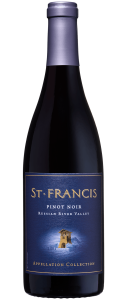
Gold Medal | SF Chronicle Wine Competition | January 2016
Gold Medal | SF International Wine Competition | June 2016
Accolades
93 points, Gold - International Women's Wine Competition
92 points - James Suckling
92 points, Gold - Sommelier Challenge
Accolades
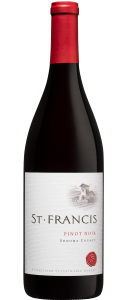
Double Gold Medal | SF Chronicle Wine Competition | January 2018
Accolades
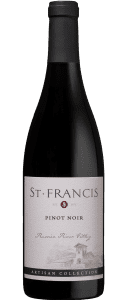
92 pts. | James Suckling
92 pts., Gold Medal | Sunset International Wine Competition
Accolades
96 Points | North Coast Wine Competition | April 2021
93 Points | Sunset International Wine Competition | July 2020
Gold Medal | Sunset International Wine Competition | July 2020