SONOMA WINES

'Old Vines' Zinfandel
Sonoma County
'Old Vines' Zinfandel
Sonoma County
A Grape That Grew Up in Sonoma County
Some wines are made here. This one was raised here. More than a century ago, Italian immigrant families put down roots in Sonoma County and planted the vineyards that would define its wine country. They favored Zinfandel, often interplanted with a mix of other red varieties in a tradition known as a field blend, or “mixed blacks.” Many of those original vineyards are still standing and still producing. Zinfandel didn’t just find a home in Sonoma County. It helped build the place. Our Old Vine Zinfandel draws from that same living history, sourced across Dry Creek Valley, Sonoma Valley, Russian River Valley, and the Moon Mountain District of Sonoma County.
Vineyard Sourcing
Sauvignon Blanc thrives in Sonoma County, where it is carefully cultivated in our Sonoma Valley Wild Oak Vineyard and the Russian River Valley Lagomarsino Vineyard. We also source premium grapes from other renowned Sonoma County regions, including Alexander Valley and Bennett Valley. The warmer microclimates in these areas contribute rich, full flavors and aromatic intensity, while the cooler regions bring refreshing crispness to the wine. This harmonious blend creates a wine that is vibrant, balanced, and lively.
Some Things Only Time Can Grow
What 'Old Vine' Really Means
For us, “Old Vine” is not a marketing flourish. It is a standard. A vine has to be at least 50 years old to qualify, and thanks to Sonoma County’s wealth of heritage vineyards and our long relationships with the growers who tend them, many of ours are well past 100. These are not vines you can plant your way into. They are dry-farmed and head-trained, standing on their own without trellising, reaching deep for water instead of leaning on irrigation. That hard-won independence is its own form of sustainability. Older vines demand less, waste less, and give back more character per cluster. In return, they produce very little fruit, and what they do produce is remarkably concentrated. Preserving these vineyards is how we honor the people who planted them.
Why Zinfandel Is So Demanding
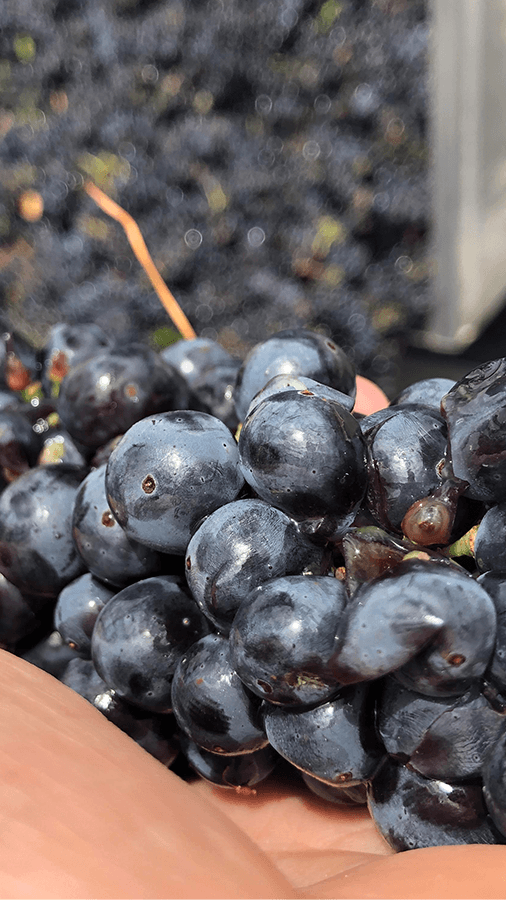
Zinfandel does not make things easy, and that is exactly what makes it interesting. On a single cluster, the berries ripen at different rates and grow to different sizes. Some race ahead while others hold back, so there is no perfect moment when the whole vine is ready at once. Harvesting comes down to judgment, choosing the window where the most fruit sits closest to its ideal ripeness. That natural unevenness is a gift in the glass. It builds a layered balance of acidity and tannin that a more uniform grape simply cannot match, giving the wine real structure and a full, textured feel from first sip to last.
A Craft Passed Down, Vine to Cellar
Great Zinfandel is not learned overnight. It is handed down. Our founding winemaker, Tom Makey, began working with the variety in the 1970s, learning the quirks and rewards of these old vineyards season by season. He passed that hard-earned knowledge on to winemaker Katie Madigan, who has since earned wide industry acclaim for the way she coaxes depth and balance out of this challenging grape. That continuity is the whole point. The vines carry a century of Sonoma County history, and the people making the wine carry decades of their own.