SONOMA WINES

Chardonnay
Sonoma County
Chardonnay
Sonoma County
The Difference Is Where It Grows
Chardonnay is one of the most widely planted grapes in the world, which means it’s also one of the most misunderstood. Grow it in the wrong place, rush it through the cellar, and you get something flat and forgettable. Sonoma County doesn’t make that wine. From the fog-draped slopes of Carneros to the river-cooled benchlands of Russian River Valley, the county’s diverse appellations give Chardonnay exactly what it needs: warmth to ripen fully, cool air and fog to preserve acidity and aromatics, and soils that make the vine work for its fruit. Our blend draws from estate vineyards in Sonoma Valley and Russian River Valley alongside grower partnerships in Carneros and Alexander Valley, each site contributing something the others can’t. The result is rich without being heavy, textured without losing its edge: juicy pear, apple galette, and a hint of butterscotch, with Fuji apple and orange blossom on the nose and a crisp, mineral finish that keeps you coming back.
Vineyard Sourcing
Sauvignon Blanc thrives in Sonoma County, where it is carefully cultivated in our Sonoma Valley Wild Oak Vineyard and the Russian River Valley Lagomarsino Vineyard. We also source premium grapes from other renowned Sonoma County regions, including Alexander Valley and Bennett Valley. The warmer microclimates in these areas contribute rich, full flavors and aromatic intensity, while the cooler regions bring refreshing crispness to the wine. This harmonious blend creates a wine that is vibrant, balanced, and lively.
From the Ground Up
Built Before Dawn
The work on this wine starts in the dark. Chardonnay grapes are handpicked at night and in the early morning hours so the fruit arrives at the winery cold. That matters more than it sounds. Heat accelerates oxidation and strips away the delicate aromatics that define great Chardonnay. By harvesting before the sun comes up, we protect the very things that make this wine worth making.
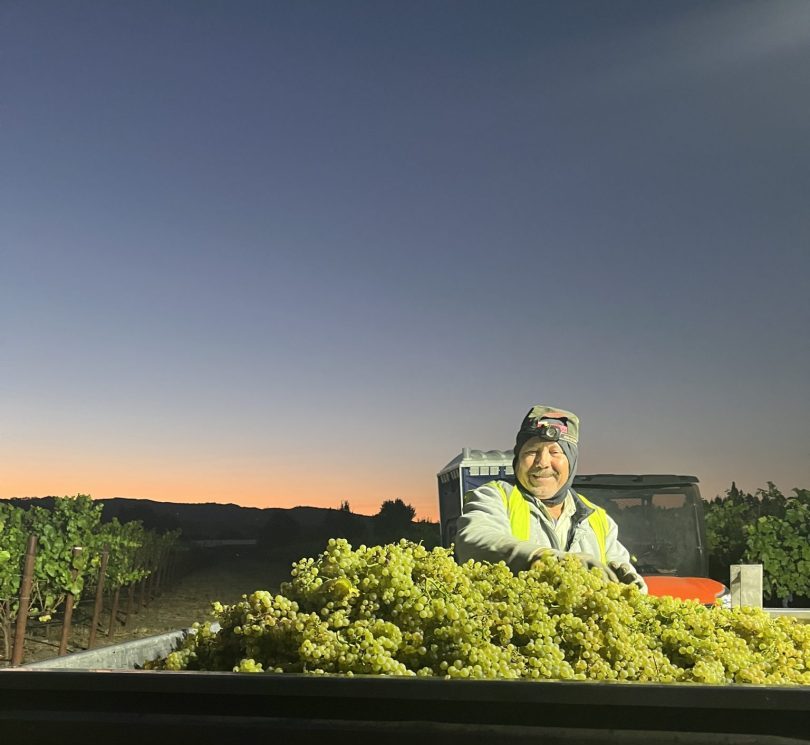
From there, the grapes are pressed immediately and each vineyard lot is fermented separately in French oak barrels. Winemaker Katie Madigan keeps the lots distinct as long as possible, getting to know what each site is saying before any blending decisions are made. The wine undergoes partial malolactic fermentation, which softens the texture just enough to give it that characteristic creaminess without muting the acidity that keeps it lively.
One Grape, Many Voices
Ask someone why they don’t drink Chardonnay and you’ll usually get the same answer: too oaky, too buttery, too much. It’s a fair critique of a style, but it’s not a verdict on the grape.
Chardonnay is one of the most versatile white wines in the world, and what ends up in your glass has everything to do with the decisions made along the way. Stainless steel keeps things bright and tropical. Oak adds warmth and complexity. Malolactic fermentation softens acidity into something rounder and creamier. Lees contact builds texture without weight. These aren’t accidents; they’re choices.
Winemaker Katie Madigan has spent her career exploring what Chardonnay can be. Across our portfolio, she works the full spectrum: from lean and tropical to richly opulent, each wine shaped by where the fruit grew and what she heard in it.
Chardonnay. Your way.
No two Chardonnay lovers taste quite the same way. Some reach for something crisp, bright, and refreshing. Others want it rich, creamy, and full. That is exactly why we make both styles.
Classic Chardonnay
Bright, Clean, and Fresh
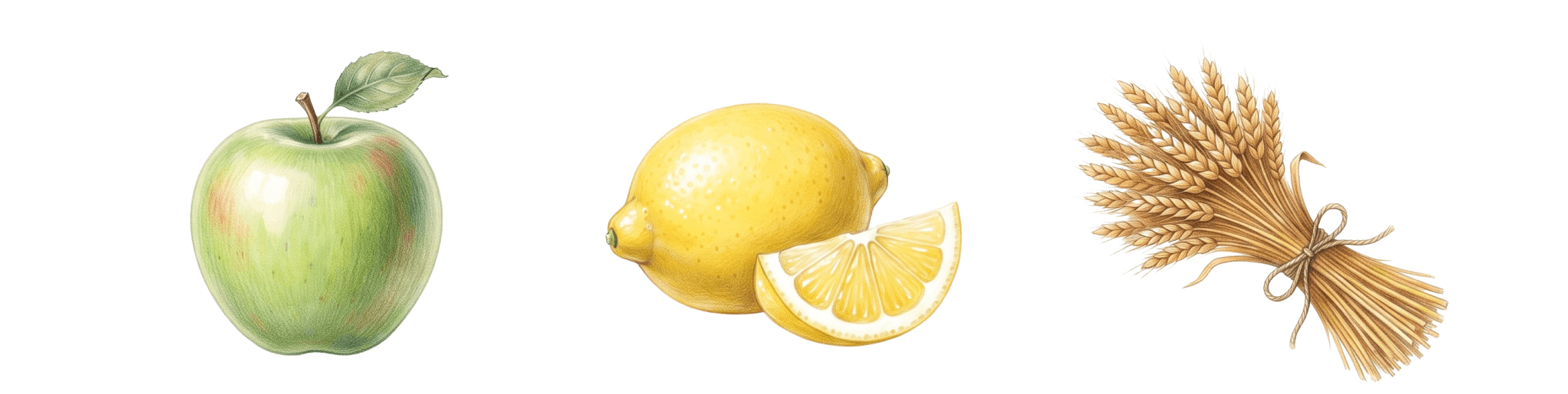
Our Classic Chardonnay leans toward the lighter, livelier side of the grape. It is medium-bodied and quick on its feet, with a creamy texture kept in check by fresh acidity and a clean, mineral finish. Expect crisp orchard fruit like apple and pear, a lift of citrus, and just enough richness to feel rounded without ever weighing you down.
You’ll love this if you like your Chardonnay refreshing, versatile, and ready to pair with almost anything on the table.
'Buttery' Chardonnay
Rich, Creamy, and Full
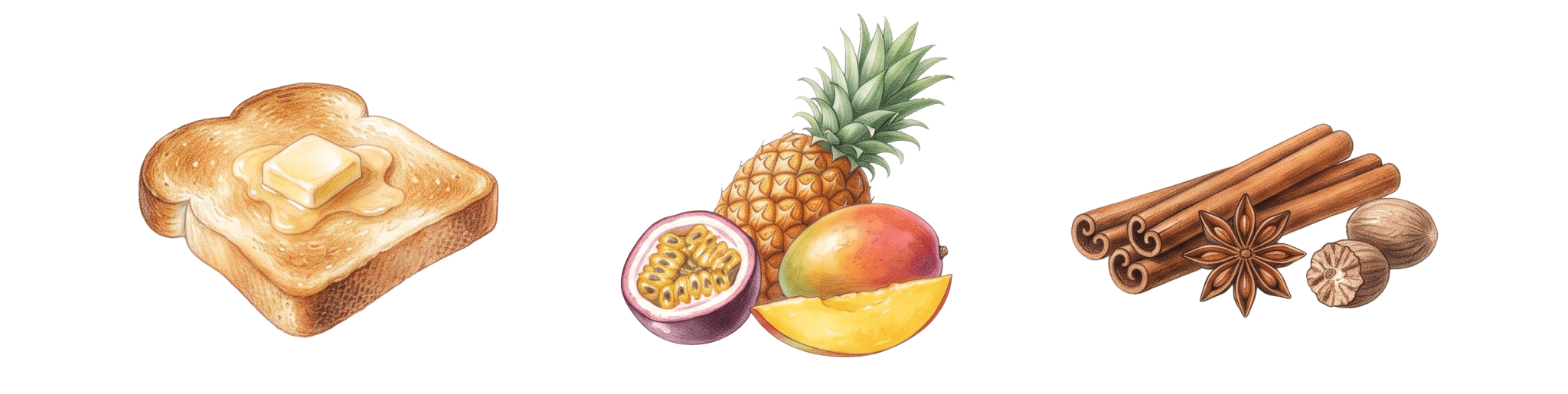
Our ‘Buttery’ Chardonnay is sourced from Sonoma County’s warmer sites and leans fully into indulgence. A fuller malolactic fermentation and more new oak give it a plush, round mouthfeel and its signature creamy character. This is a full-bodied wine with softer acidity, layered with ripe tropical fruit, baked apple, vanilla, and warm baking spice.
You’ll love this if you love a lush, generous glass with the kind of creamy weight that makes Chardonnay feel like a treat.